|
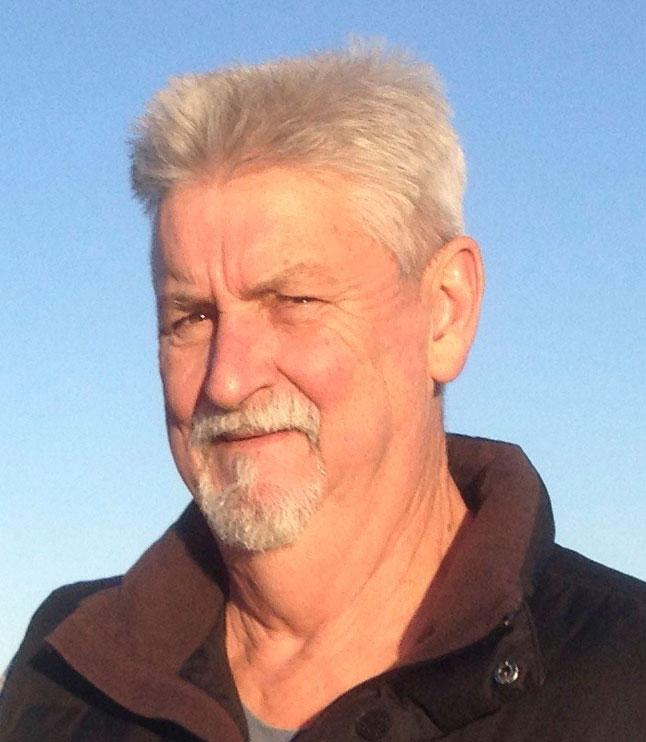
Gerry Gillespie has taken on many roles over the years in private and public organisations in resource recovery positions:
With expertise and qualification in the following areas:
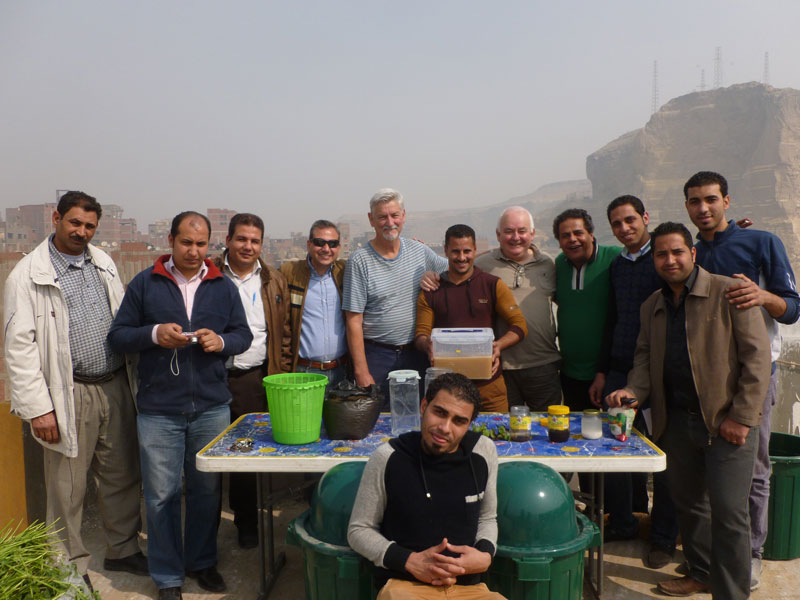
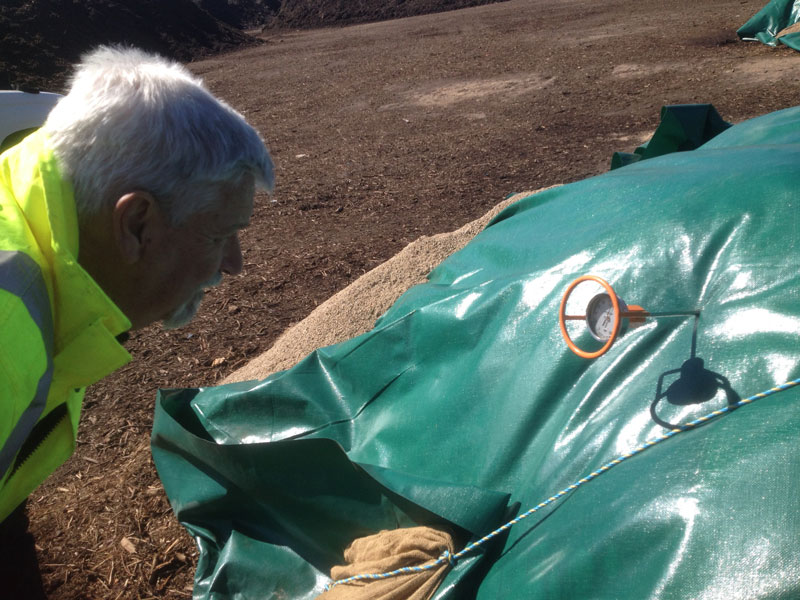
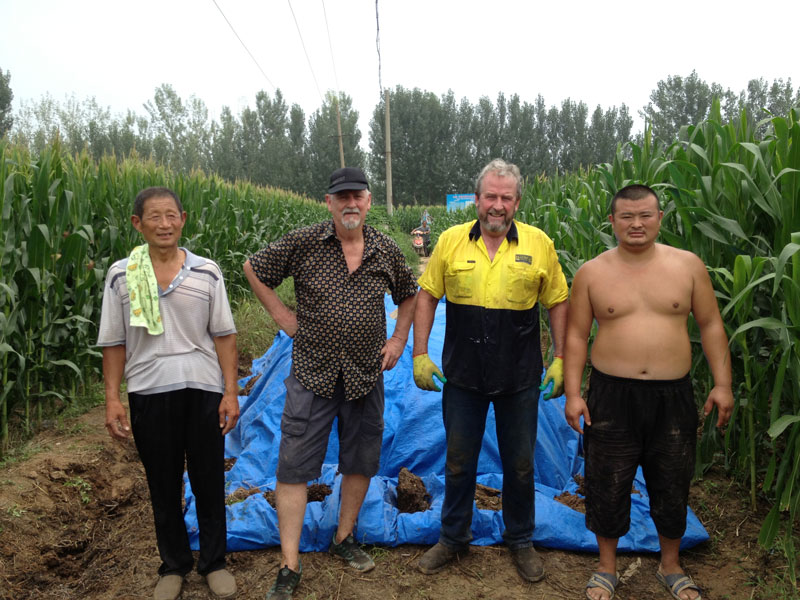
Gerry has been involved in the recovery of wasted resources and their reuse for the benefit of community and business for the past 25 years. His experience and skills mean he's widely regarded as a leading edge proponent in innovative resource recovery and economic development and related systems analysis. His experience includes a 21-year period of working in a senior positions in government, initially with the ACT Government Department of Urban Services then for 12 years with the NSW Government in the Office of Environment and Heritage in the Department of the Premier and Cabinet. Gerry's priority now is providing leading edge services with a focus on ROTS to communities and farmers alike. Wherever possible, he's keen to work with farming families to help reduce their input costs and increase their soil health. Background Gerry commenced writing and publishing books on recycling and waste reduction for local councils in 1988, developing a focus on the reuse of organics to soil. He led the $1.6 million wheeled bin trial in Canberra, ACT Australia’s capital, which involved a unique strategy for community engagement, where the focus was getting the communities involved to take ownership of the program. Processes associated with variations in the trial included an extensive range of waste audits and direct bin audits with a series of newsletters to households and extensive community meetings and public conversations. In 1993 he established and managed the Worm Farming Research facility at Belconnen Landfill, ACT, which operated for four years. Within that work he developed a simple process for the removal of heavy metals from sewage sludge and spoke at many Worm Association meetings in Australia and New Zealand with other noted vermiculture experts. Following a leadership role in the development of the Canberra ACT 'No Waste by 2010' strategy, Gerry was asked to be the founding manager of the Zero Waste Trust in New Zealand. This involved the development of a Business Plan for the Trust and a networking strategy to draw all 150 community-based recycling groups together. During this period he was involved in a broad range of projects and new businesses throughout the country, including the establishment of ‘Second Time’ – a tip face recycling themed business based on a Maori Marae in Manukau near Auckland. He was involved in the very first public meetings which established the highly successful Xtreme Waste in Raglan, New Zealand: www.xtremezerowaste.org.nz The position of NZ Zero Waste Manager, subsequently led to his involvement as an advisor and public speaker in many international programs and events on resource recovery. These included work in the UK, France, USA, Japan, China, Taiwan, Egypt and back in New Zealand. On his return to Australia in 1999, Gerry took up the position on Manager, South East Waste Board in South Eastern NSW. This role was later transferred to a NSW Government agency. In both these roles he was responsible for the development of numerous regional and local waste strategies in the region. Gerry developed the highly successful City to Soil community engagement strategy, collecting clean organic waste and reconnecting the urban community with the farmer as their food producer. groundswellproject.blogspot.com This collection system developed a simple new compost process, with little mechanical input, for use in remote locations and also in disaster management. The process has been used to process weeds, manure and carcasses on farms into a high-quality compost input. Gerry was a member of the NSW Government Organics Round Table, establishing policy on composting and reuse and contributing to the National Compost Standard AS 4454. He was also a contributing author to Professor Janis Birkeland’s book Positive Development. www.ies.unsw.edu.au/sites/all/files/event_file_attachments/janis-birkeland-flyer.pdf Gerry is a member of Australia’s National Strategic Phosphorus Advisory Group established by Dr. Dana Cordell and Professor Stuart White, University of Technology Sydney. http://phosphorusfutures.net/national-strategic-phosphorus-advisory-group-nspag/ As a member of the International bio-char community, he has on-going engagement in the development of new technologies for the application of biochar as well as its potential for renewable energy. On this subject he was a contributing author to: Amazonian Dark Earths: Wim Sombroek’s Vision. http://www.springer.com/us/book/9781402090301 Over the past fifteen years Gerry has often been asked to speak on some or all of the above issues at conferences around the world. He has also been a guest lecturer at various educational institutions within Australia and overseas. |